Featured



Surprising Symptoms of Perimenopause
Think you know the symptoms of perimenopause? Most people think of perimenopause symptoms as hot flashes, weight gain and sleep problems. However, a survey across the globe discovered that the most common self-reported symptoms are fatigue (83%), physical and mental exhaustion (83%), irritability (80%), depressive mood (77%), sleep problems (76%), digestive issues (76%), and anxiety (75%). This could be anything, right?
What’s Really Happening
What happens during Perimenopause?
Perimenopause typically begins in the mid-40s but can start as early as the late 30s. It includes the years leading up to a woman’s final menstrual period and the year after it. For many women, this transition lasts 6–8 years, and for some, even longer.
Perimenopause isn’t simply estrogen going down.
- Ovarian reserve declines
- Ovulation becomes inconsistent
- Progesterone drops first
- Estrogen becomes erratic and is sometimes high or low
- FSH rises as the brain tries to compensate
What makes perimenopause so confusing is that hormones don’t decline smoothly. Estrogen and progesterone fluctuate unpredictably. You can have high estrogen one month, low estrogen the next, skipped ovulation, or cycles that look normal on paper but feel anything but normal in your body.
Being on a hormone rollercoaster is why women can feel wired but exhausted, anxious but flat, inflamed, puffy, or emotionally volatile all at once.
No One is Prepared
Another big factor that prevents women from getting the care that they need is the lack of knowledge in healthcare professionals and the women being treated. Research shows many women feel unprepared, unsupported, and receive poor practitioner care during perimenopause otherwise known as the menopause transition.
Many women describe years of distress before getting answers. They are offered antidepressants while the hormonal root cause is missed reinforcing the sense that “this must just be me,” rather than a normal biologic transition.
Large surveys show that:
- Over 80–90% of women were never taught about menopause at school
- More than 60% felt completely uninformed before symptoms began
There are about 70 symptoms of perimenopause and menopause. A big difference is that in perimenopause women continue to bleed and may have longer or shorter intervals between period and periods could become heavier or lighter.
When periods become irregular, it is easier to figure out that you may be in perimenopause. If your periods are still regular, the other symptoms are not very distinctive and can be attributed to stress or aging.
The symptoms can be from so many things and since the average time of a visit with a healthcare professionals is generally 7-11 minutes, there is no time to deal with the nuances of a really good history.
- Fewer than one-third of U.S. OB-GYN residency programs have a formal menopause curriculum, and program directors themselves rate training in menopause care as inadequate for real-world practice.
- Only 6.8% of OB/GYN, family medicine, and internal medicine residents reported feeling adequately prepared to manage women experiencing menopause.
- Endocrinologists feel the least prepared.
Perhaps that is why women feel that they are drugged and dismissed. Women don’t know they are in perimenopause and their healthcare providers aren’t trained!
There is Hope and Help
Many functional medicine doctors have been treating perimenopause and menopause for years. Now that the FDA removed the black box warning from estrogen and celebrities are advocating for and influencing women to seek help, there is more education and treatment available.
Not all practitioners treat the whole person and training can vary widely. Look for a functional medicine doctor who has had extensive training such as a fellowship rather than someone who took a weekend course. If you are in NY, NJ, PA, FL or AZ apply for a no obligation clarity call to see if we are a good fit.
You deserve to be heard and to have personalized care that doesn’t just treat your symptoms. You can have an integrative approach that can address your longevity, your healthspan and your overall quality of life. It’s not just hormones; it is the mind and body that you are putting them into.
References:1–12
- Published JL/. Study: OB/GYNs need menopause medicine training. The Hub. June 1, 2013. Accessed May 23, 2025. https://hub.jhu.edu/gazette/2013/june/news-menopause-medicine-training-needed/
- Santoro N. Perimenopause: From Research to Practice. J Womens Health (Larchmt). 2016;25(4):332-339. doi:10.1089/jwh.2015.5556
- Jeevananthan A, Alexopoulos AS, Goldstein KM, Moreno AC. Perceptions of Menopause Care: A Pilot Survey Study of Providers from Primary Care, Endocrinology, and Obstetrics and Gynecology. J Womens Health (Larchmt). 2025;34(12):1462-1471. doi:10.1177/15409996251370925
- Allen JT, Laks S, Zahler-Miller C, et al. Needs assessment of menopause education in United States obstetrics and gynecology residency training programs. Menopause. 2023;30(10):1002. doi:10.1097/GME.0000000000002234
- Davis SR, Pinkerton J, Santoro N, Simoncini T. Menopause—Biology, consequences, supportive care, and therapeutic options. Cell. 2023;186(19):4038-4058. doi:10.1016/j.cell.2023.08.016
- Kling JM, MacLaughlin KL, Schnatz PF, et al. Menopause Management Knowledge in Postgraduate Family Medicine, Internal Medicine, and Obstetrics and Gynecology Residents: A Cross-Sectional Survey. Mayo Clinic Proceedings. 2019;94(2):242-253. doi:10.1016/j.mayocp.2018.08.033
- Christianson MS, Ducie JA, Altman K, Khafagy AM, Shen W. Menopause education: needs assessment of American obstetrics and gynecology residents. Menopause. 2013;20(11):1120-1125. doi:10.1097/GME.0b013e31828ced7f
- Keye C, M M, MM S, M OD. Menopause education of healthcare professionals: A scoping review protocol. PLoS One. 2025;20(11):e0325012. doi:10.1371/journal.pone.0325012
- Hedges MS, Hewings-Martin Y, Karam J, et al. Global perspectives on perimenopause: a digital survey of knowledge and symptoms using the Flo application. Menopause. Published online January 28, 2026. doi:10.1097/GME.0000000000002730
- Choudhury R, Coelho K, Suryawanshi S, Hajare A, Kumar A. Effectiveness of Multisymptom Support for Better Relief and Alleviation of Common Effects in Perimenopause (EMBRACE PERIMENOPAUSE). Cureus. 17(6):e86091. doi:10.7759/cureus.86091
- Metcalf CA, Duffy KA, Page CE, Novick AM. Cognitive Problems in Perimenopause: A Review of Recent Evidence. Curr Psychiatry Rep. 2023;25(10):501-511. doi:10.1007/s11920-023-01447-3
- Harper JC, Phillips S, Biswakarma R, et al. An online survey of perimenopausal women to determine their attitudes and knowledge of the menopause. Womens Health (Lond). 2022;18:17455057221106890. doi:10.1177/17455057221106890
QUICK LINKS
Bioidentical Hormone Replacement New Jersey | Functional Medicine New Jersey
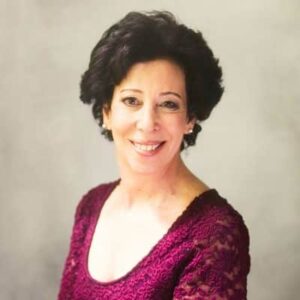 Lorraine Maita, MD, CEO & Founder of The Feel Good Again Institute and Vibrance for life and widely known as “The Hormone Harmonizer”, has helped thousands of people ditch fatigue, brain fog, mood swings, lose weight, and achieve balanced hormones so they Feel Good Again.
She is a recognized and award-winning triple board certified, holistic, functional, integrative and anti-aging physician, speaker and author, and has been featured in ABC News, Forbes, WOR Radio and many media outlets to spread the word that you can live younger and healthier at any age.